Your Cart is Empty


Dog Cloud
November 2, 2026
Why Is My Senior Dog Pacing at Night? 7 Possible Causes & What to Do
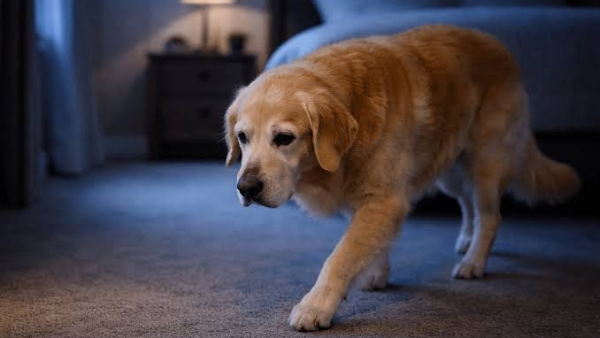
Your senior dog used to sleep soundly through the night. Now, they're wandering between rooms, pacing around their bed, or repeatedly getting up just when you think they've settled.
It's a change many owners notice as their dogs get older, but nighttime pacing isn't something you should automatically dismiss as normal aging.
Sometimes the explanation is relatively simple, such as needing a bathroom break. Other times, pacing can be associated with joint pain, anxiety, changes in vision, or age-related cognitive decline.If your older dog has also been struggling to get comfortable, our guide to why senior dogs become restless at night explores other common sleep disturbances.
Understanding how your dog is pacing, and what other changes accompany it, can help you identify what they may need.

Is It Normal for Senior Dogs to Pace at Night?
Occasionally getting up, changing positions, or walking to get water is normal. However, persistent pacing, especially when it's new or becoming more frequent, deserves attention.
According to the American Animal Hospital Association (AAHA), changes in behaviour and mobility in senior pets shouldn't automatically be attributed to old age. They can reflect underlying conditions that may benefit from treatment or supportive care. [1]
The important distinction is whether your dog's behaviour has changed from what's normal for them.
7 Reasons Your Senior Dog May Be Pacing at Night
1. Arthritis or Joint Pain
If your dog gets up repeatedly, circles their bed, lies down, and then stands again, physical discomfort could be contributing.
Arthritis and other musculoskeletal conditions can make it difficult for older dogs to find or maintain a comfortable resting position.
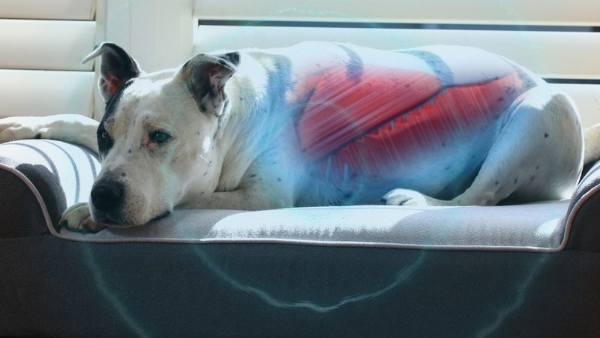
Unlike an obvious limp, chronic pain can show up through subtle behavioural changes, including interrupted sleep, reluctance to move, or difficulty settling. [2]
Other signs to watch for:
- Stiffness after sleeping or resting
- Difficulty getting up from the floor
- Hesitation around stairs or jumping
- Reduced enthusiasm for walks
- If these changes sound familiar, read our guide to why dogs struggle to get up after lying down.

Chronic pain can show up through subtle behavioural changes, including interrupted sleep, or difficulty settling.
2. Canine Cognitive Dysfunction (Dog Dementia)
Canine Cognitive Dysfunction Syndrome (CDS) is an age-related neurological condition that affects memory, awareness, behaviour, and sleep patterns.
One of its recognised signs is a disrupted sleep-wake cycle. Affected dogs may sleep more during the day but become restless, confused, or unusually active at night. [3]
Unlike pacing caused primarily by joint discomfort, cognitive-related pacing may appear aimless.Your dog might wander into corners, stare at walls, seem lost in familiar rooms, or struggle to find their way back to their bed.
Not every senior dog that paces has dementia. A veterinarian must consider other medical and sensory causes before diagnosing CDS.

3. Anxiety or Increased Dependence
Some older dogs become more sensitive to changes in their environment or routine.
A dog who previously slept independently may begin following their owner around at night, pacing near bedroom doors, or struggling to relax when left alone.
Age-related changes in hearing, vision, health, and cognition can all contribute to anxiety. [4]
Look for patterns: Does the pacing begin when you leave the room? Does your dog settle when you're nearby? Has anything recently changed in the household?
These observations can help your veterinarian distinguish anxiety from other possible causes.

Age-related changes in hearing, vision, health, and cognition can all contribute to anxiety.
4. Needing to Urinate More Frequently
Sometimes nighttime pacing means your dog needs to go outside. Older dogs may experience changes in bladder control, while conditions such as kidney disease, diabetes, or urinary tract problems can increase urination or urgency.
Pay attention to whether your dog heads toward the door, drinks more water than usual, or has started having accidents indoors.
A change in drinking or urination habits warrants a veterinary assessment rather than simply adding more nighttime bathroom breaks.

5. Changes in Vision or Hearing
Navigating a dark house can become more difficult as a dog's senses change with age.
Reduced vision may make familiar spaces feel unfamiliar at night, while hearing loss can affect how dogs respond to their surroundings.
Some dogs become hesitant, disoriented, or more dependent on their owners for reassurance.
Sensory changes can also overlap with cognitive dysfunction, making it important to assess both possibilities. [5]

6. An Uncomfortable Sleeping Environment
Before assuming something more serious, consider where your dog sleeps. A cold floor, slippery surface, noisy room, or bed that no longer provides adequate support may make settling more difficult, particularly for dogs with reduced mobility.
Older dogs can also struggle to move between their sleeping area, water bowl, and bathroom access.
AAHA's senior care recommendations include environmental modifications, appropriate bedding, and improved traction to help support comfort and mobility. [1]

7. Other Underlying Medical Conditions
Nighttime restlessness can sometimes be associated with medical problems unrelated to aging joints or cognition.
Digestive discomfort, respiratory problems, hormonal conditions, and certain neurological disorders may alter a dog's sleep or activity.
Pacing alone cannot identify the cause. If the behaviour starts suddenly, is accompanied by other symptoms, or continues despite changes to your dog's routine, a veterinary examination is important.

How to Help a Senior Dog Who Paces at Night
The most effective approach depends on what's causing the behaviour. However, a few practical changes can help create a more comfortable nighttime routine.
Make Their Sleeping Area Easier to Use
Choose a supportive bed in a quiet, familiar location. Make sure your dog can get on and off it comfortably, without navigating slippery flooring or obstacles. For dogs with arthritis or mobility difficulties, appropriate bedding and home modifications can form part of a broader comfort-management plan. [1]
At Dog Cloud, we believe supportive rest should be part of everyday senior dog care. Our Massage Therapy Bed combines orthopedic support with gentle, automated vibration therapy designed for at-home comfort and relaxation. It can complement a veterinarian-recommended care routine, but it isn't a treatment for cognitive dysfunction or a substitute for medical pain management.
Keep a Consistent Evening Routine
Regular meal times, appropriate daytime activity, and a predictable bedtime can help provide structure.Offer a final bathroom opportunity before bed, and avoid introducing unnecessary changes to your dog's sleeping arrangements. If your dog has cognitive dysfunction, your veterinarian may recommend additional environmental enrichment, dietary management, or medication. [3]
Track What Happens Before and During Pacing
A short behaviour diary can be surprisingly useful. Record when the pacing starts, how long it lasts, whether your dog appears distressed, and what helps them settle. Note any accompanying changes in mobility, appetite, drinking, toileting, or daytime sleep. Short videos can also help your veterinarian assess changes that may not be obvious during an appointment. [2]
When Should You See a Veterinarian?
Arrange an appointment if your senior dog's nighttime pacing is new, persistent, worsening, or accompanied by changes in mobility, behaviour, appetite, or toileting. Seek urgent veterinary care if pacing occurs alongside a swollen abdomen, repeated unproductive attempts to vomit, breathing difficulty, collapse, seizures, or obvious severe pain.

The Bottom Line
When your senior dog starts pacing at night, they're showing you that something about their usual routine has changed. It might be discomfort, confusion, anxiety, or a medical issue that needs attention.
The earlier you recognise those changes, the sooner you can work towards helping your dog feel more comfortable.Getting older may change what your dog needs. It doesn't mean those needs should go unnoticed.
Dog Cloud Customers also recieve 30 days FREE Dial a Vet calls. Speak to a Vet anytime, anywhere.
We were also voted best premium dog bed for 2026! Take a look.
Frequently Asked Questions
Why does my old dog pace at night but sleep all day?
A reversed sleep-wake pattern can be associated with canine cognitive dysfunction, although pain, illness, and disrupted routines may also contribute. A veterinary assessment is needed to determine the cause. [3]
Does nighttime pacing mean my dog has dementia?
No. Although pacing is one possible sign of canine cognitive dysfunction, it can also occur with arthritis, anxiety, sensory changes, or other medical conditions.
Can arthritis make dogs restless at night?
Yes. Chronic musculoskeletal pain can interfere with rest and make it difficult for dogs to remain comfortable in one position. [2]
How can I help my senior dog settle at night?
Start by identifying possible sources of discomfort, maintaining a predictable routine, providing supportive bedding, and arranging a veterinary assessment if the behaviour continues.
References
1. Dhaliwal, R., et al. (2023). 2023 AAHA Senior Care Guidelines for Dogs and Cats. Journal of the American Animal Hospital Association, 59(1), 1–21. https://doi.org/10.5326/JAAHA-MS-7343
2. American Animal Hospital Association. (2022). 2022 AAHA Pain Management Guidelines for Dogs and Cats. https://www.aaha.org/wp-content/uploads/globalassets/02-guidelines/2022-pain-management/resources/2022-aaha-pain-management-guidelines-for-dog-and-cats_updated_060622.pdf
3. Cornell University College of Veterinary Medicine. (2025). Cognitive Dysfunction Syndrome. https://www.vet.cornell.edu/departments-centers-and-institutes/riney-canine-health-center/canine-health-topics/cognitive-dysfunction-syndrome
4. Merck Veterinary Manual. Behavior Problems of Dogs: Aging and Cognitive Dysfunction. https://www.merckvetmanual.com/behavior/behavior-of-dogs/behavior-problems-of-dogs
5. Dewey, C. W., Davies, E. S., Xie, H., & Wakshlag, J. J. (2019). Canine Cognitive Dysfunction: Pathophysiology, Diagnosis, and Treatment. Veterinary Clinics of North America: Small Animal Practice, 49(3), 477–499. https://doi.org/10.1016/j.cvsm.2019.01.013