Your Cart is Empty


Dog Cloud
October 15, 2026
Why Is My Dog Limping After a Walk? Common Causes & What to Do
A limp after exercise isn't always a sign of a serious injury, but it shouldn't be ignored. Here's how to recognise possible causes, when to call your vet, and how to support your dog's recovery.Your dog loves their daily walk. But when you get home, you notice something different. They're favouring one leg, moving unevenly, or taking shorter steps than usual.It's tempting to assume they've simply overdone it.
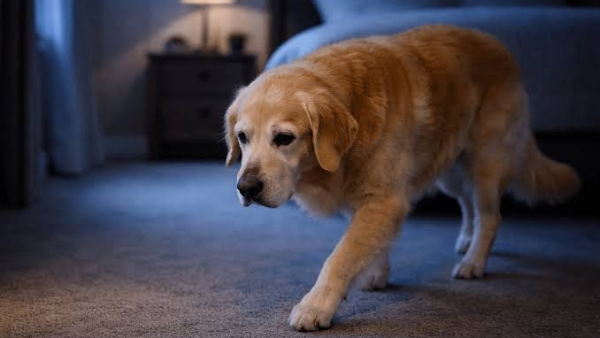
However, limping is a sign of discomfort or impaired movement, not a normal consequence of exercise. While the cause may be something minor, such as a sore paw, limping can also indicate an underlying joint or ligament problem..
Why is my dog limping after a walk?
A limp can become more noticeable after exercise because walking places repeated demands on muscles, tendons, ligaments and joints.
Some of the most common causes include:
1. Muscle strains or minor injuries
An energetic walk, sudden sprint or awkward landing can strain muscles and other soft tissues.Your dog may begin favouring a leg after exercise, particularly if they've been running, jumping or playing more intensely than usual. Even a mild-looking limp deserves attention if it persists or worsens.
2. Arthritis and joint discomfort
Osteoarthritis is a progressive joint condition associated with pain, inflammation and reduced mobility.Dogs with arthritis may experience changes in their walking pattern, particularly after activity. You might notice them slowing down, taking shorter steps or becoming reluctant to continue walking.
International veterinary consensus guidelines identify mobility changes, including lameness, as important considerations when assessing canine osteoarthritis [1]. Arthritis isn't limited to senior dogs, either. Age, previous injuries and underlying joint abnormalities can all contribute to its development.
3. Cruciate ligament problems
The cranial cruciate ligament helps stabilise a dog's knee joint.Damage or degeneration of this ligament is a major cause of hindlimb lameness in dogs. Importantly, cruciate ligament disease doesn't always result from one dramatic injury. It can develop progressively over time [2].
Signs may include favouring a back leg, difficulty bearing weight or limping that becomes more noticeable following activity.A veterinary examination is necessary to determine whether a ligament injury is involved.
4. Paw or nail injuries
Sometimes the problem isn't the joint at all. A small cut, torn nail, grass seed or foreign object lodged between the paw pads can make walking uncomfortable.If your dog begins limping after a walk, checking their paws for visible injuries or debris is a sensible first step. Avoid digging into the paw or attempting to remove deeply embedded objects yourself.

Arthritis isn't limited to senior dogs, either. Age, previous injuries and underlying joint abnormalities can all contribute to its development.
When should you worry about a dog limping?
Not every limp is an emergency, but sudden or persistent lameness should never be dismissed as normal ageing or ordinary tiredness.
Seek urgent veterinary attention if your dog:
- Cannot put weight on a leg
- Has significant swelling, an obvious deformity or severe painIs limping after a fall, collision or other traumatic injury
- Appears distressed, unusually lethargic or unwell
If the limp is mild but continues, recurs after walks or worsens, arrange a veterinary assessment promptly.
A short video of your dog walking can also help your vet assess changes that may be less obvious during an appointment.

A sudden or persistent lameness should never be dismissed as normal ageing or ordinary tiredness.
What should you do if your dog starts limping after a walk?
1. Stop strenuous activity. Avoid further walks, running, jumping and rough play until you understand what's causing the limp.
2. Check their paws. Look for cuts, damaged nails, swelling or anything caught between the pads.
3. Provide a comfortable resting space. Give your dog a supportive, accessible place to rest, ideally away from slippery flooring.
4. Monitor their movement. Note which leg is affected, when the limping began and whether it changes after resting.
5. Speak with your veterinarian. Don't give human painkillers or attempt massage, stretching or vibration therapy on an unexplained injury without veterinary guidance.

How can you support your dog's mobility long-term?
Once the cause of limping has been identified, the focus can shift towards helping your dog stay comfortable and mobile.
For dogs with osteoarthritis, veterinary consensus guidelines recommend an individualised approach that may include weight management, appropriate low-impact exercise, rehabilitation, environmental modifications and pain management [1, 3].
Consistency matters, but so does choosing the right activity level. A dog with an established joint condition may benefit from regular, controlled movement rather than occasional strenuous exercise.
At home, supportive bedding, non-slip surfaces and easy access to favourite resting areas can also make everyday life more comfortable.
Related reading: Orthopedic Dog Beds: What They Actually Do - and When Your Dog May Need More

At home, supportive bedding, non-slip surfaces and easy access to favourite resting areas can also make everyday life more comfortable.
Where does Dog Cloud fit in?
For dogs managing ongoing mobility challenges, supportive care at home can complement a veterinarian's treatment plan.
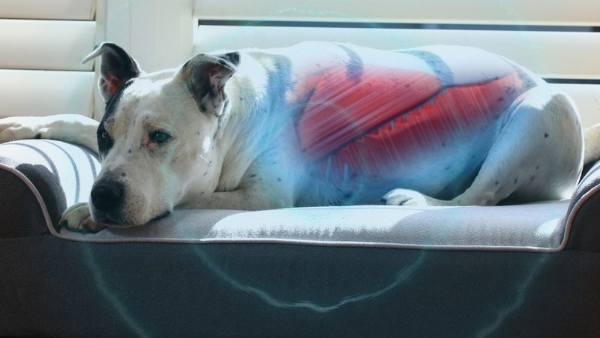
Dog Cloud combines a supportive resting surface with gentle Cycloid Vibration Therapy, designed to bring automated therapeutic massage into a dog's daily rest routine.
It isn't a substitute for diagnosing or treating the cause of limping, and therapy should only be used when appropriate for your dog's condition.Learn more about vibration therapy for dogs.

The Bottom Line
If your dog is limping after a walk, pay attention to the pattern rather than assuming they're simply tired.
A limp may be caused by a minor injury, but it can also be an early indication of an underlying joint or ligament condition. Recognising changes early, seeking veterinary advice and providing appropriate ongoing support can help protect your dog's comfort and mobility.
Dog Cloud Customers also recieve 30 days FREE Dial a Vet calls. Speak to a Vet anytime, anywhere.
We were also voted best premium dog bed for 2026! Take a look.
References
1. COAST Development Group. (2023). COAST Development Group's international consensus guidelines for the treatment of canine osteoarthritis. Frontiers in Veterinary Science. https://doi.org/10.3389/fvets.2023.1137888
2. Hayashi, K., Manley, P. A., & Muir, P. (2004). Cranial cruciate ligament pathophysiology in dogs with cruciate disease: A review. Journal of the American Animal Hospital Association, 40(5), 385–390. https://doi.org/10.5326/0400385
3. Proposed Canadian Consensus Guidelines on Osteoarthritis Treatment Based on OA-COAST Stages 1–4. (2022). Frontiers in Veterinary Science. https://pmc.ncbi.nlm.nih.gov/articles/PMC9088681/