Your Cart is Empty


Dog Cloud
June 24, 2026
What Dogs Ageing Well Have in Common (And Why It Matters More Than You Think)
Discover the habits, routines and early signs that help dogs age well. Learn how mobility, recovery, sleep and proactive care can support your dog's long-term health and comfort.
Spend enough time around senior dogs and you'll notice something interesting.
Some dogs seem to age remarkably well. They're still eager for their walks. They move comfortably. They remain engaged with their families and continue enjoying many of the activities they've always loved.
Others begin slowing down much earlier. They sleep more, recover more slowly, become less active and gradually start doing less of the things that once brought them joy.
It's easy to assume the difference comes down to luck or genetics. And while genetics certainly play a role, they are rarely the whole story. More often, dogs that age well tend to have something else in common: they receive consistent support long before serious problems arise.
The reality is that healthy ageing doesn't begin with an arthritis diagnosis. It begins years earlier through the daily habits, routines and decisions that influence how a dog's body moves, recovers and adapts over time. Understanding these factors can help owners make informed decisions that support mobility, comfort and quality of life throughout their dog's later years.
Healthy Ageing Starts Before There Is A Problem
One of the biggest misconceptions surrounding canine health is that support only becomes necessary once a dog starts showing obvious signs of discomfort. A limp appears. They struggle to get up. The veterinarian diagnoses arthritis. Only then do many owners begin actively looking for solutions.
The challenge is that age-related changes rarely happen overnight. Conditions such as osteoarthritis develop gradually. Long before a diagnosis is made, subtle changes are often occurring beneath the surface. Cartilage may be wearing down. Muscles may be becoming weaker. Recovery may be taking longer than it once did.
By the time visible signs appear, the process has often been developing for months or even years. This is why many veterinarians, rehabilitation practitioners and canine health professionals increasingly emphasise the importance of proactive care.
The goal is not simply to react to problems when they appear. The goal is to create an environment that supports healthy ageing before those problems have an opportunity to develop.

Age-related mobility changes rarely happen overnight - they develop gradually.
Dogs Are Masters At Adapting
One reason age-related changes can be difficult to spot is because dogs are remarkably good at compensating.
Unlike people, dogs don't usually tell us when something feels uncomfortable. Instead, they adapt. A dog experiencing mild joint discomfort may still climb the stairs, jump into the car, still go for walks. They simply do these things a little differently.
Perhaps they hesitate for a moment before jumping. Maybe they take longer to get comfortable when lying down, or spend more time resting after exercise than they used to.
These changes are often subtle enough that owners naturally assume their dog is simply getting older. And sometimes that assumption is partly correct. Ageing does involve change. However, those small changes can also provide valuable clues about how a dog's body is coping with the ageing process.
The owners who notice these changes early are often the ones best positioned to support their dogs before more significant issues develop.

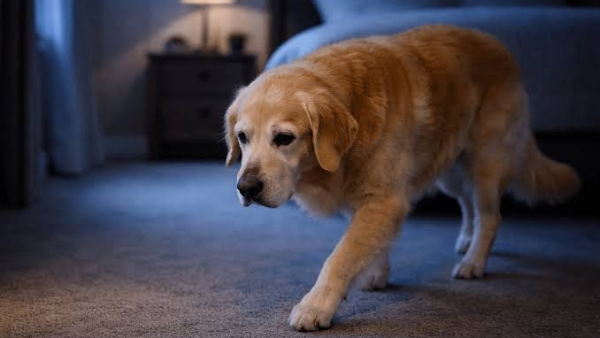
A dog experiencing mild joint comfort may still continue to climb stairs, but will do it a little differently
Mobility Matters More Than Most People Realise
When people think about healthy ageing, they often focus on lifespan. What matters just as much is healthspan.
Healthspan refers to the period of life during which a dog remains active, comfortable and able to participate in normal daily activities. Mobility plays a critical role in this. Movement helps maintain muscle mass, joint function, circulation and overall physical conditioning. It supports mental stimulation and contributes significantly to a dog's quality of life.
The challenge is that reduced mobility can create a cycle. When movement becomes less comfortable, dogs often move less. Reduced movement can lead to muscle loss, decreased flexibility and further declines in physical function. Over time, this can accelerate the ageing process.
This is one reason why preserving mobility is such an important part of supporting senior dogs. The goal is not necessarily to prevent ageing. The goal is to help dogs continue doing the things they enjoy for as long as possible.

Mobility plays a critical role in a dogs lifespan.
Recovery Is The Missing Piece Most Owners Overlook
Most dog owners understand the importance of exercise. Many understand the importance of nutrition. Far fewer think about recovery. Yet recovery is where much of the body's maintenance and repair takes place.
Every walk, play session and daily activity places demands on muscles, joints and connective tissues. Recovery allows the body to adapt to those demands and prepare for future activity.
As dogs age, recovery often becomes increasingly important. Older dogs may require more time to bounce back from physical exertion. They may benefit from greater attention to sleep quality, comfort and daily routines that support physical wellbeing. This is one reason why many canine rehabilitation professionals view recovery as an essential component of healthy ageing rather than something reserved for injury rehabilitation.
The dogs that age particularly well often have routines that support both movement and recovery. The two work together - one without the other is rarely enough.

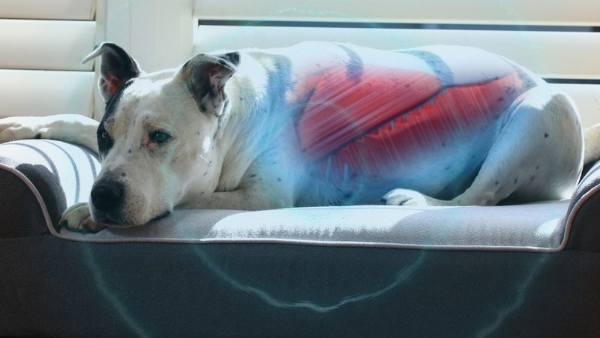
Dogs instinctively hide their pain, with noticeable physcial changes happening gradually.
Weight Management Makes A Bigger Difference Than Most People Think
If there is one factor consistently associated with long-term mobility and joint health, it is body weight. Excess weight places additional stress on joints and can increase the mechanical load placed on the musculoskeletal system during movement.
Research has repeatedly shown that maintaining a healthy body condition can have a significant impact on mobility, comfort and overall quality of life as dogs age. Even modest reductions in excess weight can improve movement and reduce strain on ageing joints.
This doesn't mean owners should obsess over numbers on a scale. Instead, it highlights the importance of maintaining a healthy body condition throughout life rather than waiting until mobility issues arise.
When combined with appropriate exercise, recovery and veterinary care, healthy weight management remains one of the most powerful tools available for supporting long-term wellbeing.

Maintaining a dogs healthy body condition can have a significant impact on mobility and overall quality of life
Healthy Ageing Is About Consistency
There is no single secret to helping a dog age well. No miracle supplement. No single product. No overnight solution. Instead, healthy ageing is usually the result of many small actions repeated consistently over time.
Regular movement, quality nutrition, good sleep, effective recovery, veterinary care, weight management, environmental support. Individually, each may seem relatively small. Together, they create the foundation that allows dogs to remain comfortable, active and engaged throughout their later years.
The dogs that age well are rarely the result of one big intervention. More often, they are the result of countless small decisions made consistently over many years.

Healthy ageing is usually the result of many small actions repeated consistently over time.
The Bottom Line
Every dog will age. That part is inevitable.
What varies is how comfortably they move through that process and how well supported they are along the way. The encouraging news is that healthy ageing is not simply a matter of luck.
Many of the factors that influence mobility, recovery and quality of life are things owners can actively support long before significant problems arise.
The dogs that age particularly well often share a common thread. Their owners pay attention to the small changes, prioritise proactive care and recognise that support doesn't begin with a diagnosis. It begins much earlier.
Because when it comes to helping our dogs live longer, healthier and more comfortable lives, prevention will almost always beat intervention.
Dog Cloud Customers also recieve 30 days FREE Dial a Vet calls. Speak to a Vet anytime, anywhere.
We were also voted best premium dog bed for 2026! Take a look.