Your Cart is Empty


Dog Cloud
October 19, 2026
Muscle Loss in Senior Dogs: Early Signs, Causes & How to Help
Have you noticed your senior dog's back legs looking thinner? Perhaps they're finding it harder to climb stairs, get up after resting, or keep up on their usual walks. These changes are easy to dismiss as part of getting older. However, muscle loss in senior dogs isn't always a normal consequence of aging, and recognizing it early can make a meaningful difference to their mobility and quality of life.
Muscle loss, also called muscle atrophy, can develop gradually due to aging, reduced activity, joint pain, or underlying health conditions. Understanding why it's happening is the first step toward helping your dog maintain strength and independence.
What causes muscle loss in senior dogs?
As dogs age, their bodies undergo changes in muscle composition and strength. Age-related muscle loss is known as sarcopenia. Older dogs may experience a reduction in lean body mass, making muscle condition an important part of their overall health assessment [1].
However, aging isn't the only possible explanation.
1. Age-Related Muscle Loss
Older dogs may gradually lose muscle mass as their activity levels, metabolism, and ability to maintain muscle tissue change.This can affect their strength, stability, and ability to perform everyday movements.
2. Arthritis and Joint Pain
Dogs experiencing joint discomfort often become less active. Over time, reduced movement can contribute to muscle loss, particularly around affected joints. The American College of Veterinary Surgeons identifies controlled, low-impact exercise as an important part of managing canine osteoarthritis and maintaining muscle strength [2].
3. Reduced Physical Activity
Muscles need regular activity to maintain strength.Long periods of inactivity, whether following an injury, surgery, illness, or simply a gradual reduction in exercise, can contribute to muscle weakness and atrophy.
4. Inadequate Nutrition
Protein plays an essential role in maintaining muscle tissue.Older dogs experiencing muscle loss may benefit from nutritional adjustments, including appropriate protein intake, depending on their overall health and medical needs [3].
Always consult your veterinarian before changing your dog's diet, particularly if they have kidney disease or another chronic condition.
5. Underlying Medical Conditions
Muscle loss can also be associated with neurological disorders, chronic illness, and other medical conditions. For example, degenerative myelopathy is a progressive neurological disease that can cause hind-limb weakness and muscle wasting [4].
New, unexplained, or rapidly progressing muscle loss should always be assessed by a veterinarian.

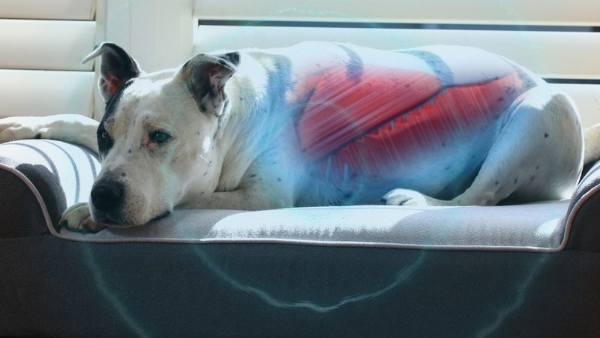
Over time, reduced movement can contribute to muscle loss, particularly around affected joints.
6 Early Signs of Muscle Loss in Dogs
Muscle loss often develops gradually, making subtle changes easy to overlook.
Watch for these six signs:
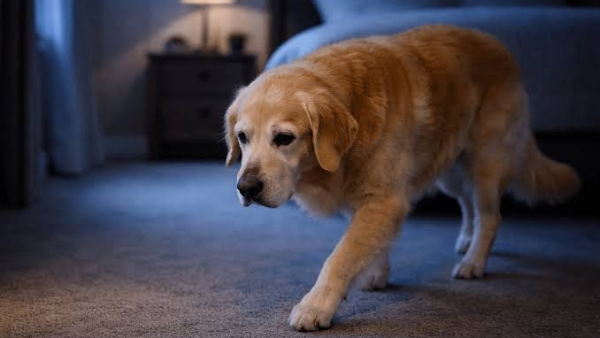
1. Thinner back legs:Your dog's thighs may appear less muscular than they once did.
2. More prominent bones: Their spine, hips, or shoulder blades may become more noticeable.
3. Difficulty standing up: Getting up after sleeping or lying down may require more effort.
4. Reduced stamina: Walks become shorter, or your dog tires more easily.
5. Hesitation on stairs:Climbing, jumping, or navigating uneven surfaces becomes difficult.
6. Changes in walking: Your dog may move more slowly, appear less stable, or favor one leg.Importantly, a dog can lose muscle without losing significant body weight.
Changes in body fat can mask declining muscle mass.Veterinarians use muscle condition scoring alongside body condition scoring to help identify these changes [1].

How to Help a Senior Dog Maintain Muscle Strength
Although some age-related muscle loss may occur, there are practical ways to support your dog's strength, mobility, and everyday comfort.
1. Prioritize Consistent, Low-Impact Exercise
Regular, manageable movement helps keep muscles active.
Depending on your dog's health and veterinary recommendations, suitable activities may include:
- Short, controlled walks
- Gentle movement on even surfaces
- Swimming or underwater treadmill therapy
- Supervised strengthening exercises
For dogs with arthritis, controlled, low-impact activity is generally preferred over high-impact exercise that may aggravate painful joints [2].
Start with your dog's current abilities rather than their previous fitness level.
2. Review Their Nutrition
A balanced diet containing appropriate amounts of protein and calories is essential for maintaining muscle mass.
However, not every senior dog needs the same diet.Their nutritional requirements depend on their body condition, activity level, and medical history. A veterinarian can help determine whether dietary adjustments would be beneficial [3].
3. Address Joint Discomfort
If arthritis or another painful condition is limiting your dog's movement, addressing that discomfort may help them remain active.
Your veterinarian may recommend a combination of weight management, medication, rehabilitation, and lifestyle adjustments [2].
4. Consider Canine Rehabilitation
Veterinary rehabilitation can help dogs maintain or rebuild strength through individually prescribed exercises.
Depending on the underlying condition, rehabilitation may include therapeutic movement, balance exercises, hydrotherapy, and other supervised techniques [5].
5. Make Their Home Easier to Navigate
Simple environmental changes can help senior dogs move more confidently. Consider nonslip flooring, ramps, accessible sleeping areas, and supportive bedding.
Reducing unnecessary strain can make everyday activities more manageable, particularly for dogs experiencing joint discomfort or weakness.

Can Massage Therapy Help Senior Dogs With Muscle Loss?
While maintaining muscle strength requires appropriate exercise and nutrition, massage therapy can play a complementary role in supporting an aging dog's comfort, mobility, and recovery.
As dogs age, joint stiffness, muscle tension, and discomfort can make everyday movement more challenging. When movement becomes uncomfortable, dogs may become less active, potentially contributing to further muscle weakness.
Dog Cloud brings gentle, daily massage therapy into the home through Cycloid Vibration Therapy (CVT). Its circular vibrations are designed to support several important aspects of muscular health and everyday wellbeing:
- Circulation: Supports healthy blood flow, which helps deliver oxygen and nutrients to muscles and surrounding tissues.
- Muscle relaxation: Helps ease muscle tension and encourages relaxation during rest.
- Recovery: Provides gentle, non-invasive support as part of a consistent recovery routine.
- Everyday comfort: Offers a convenient way to incorporate massage into a senior dog's daily routine, particularly when stiffness or discomfort affects their activity.
Unlike occasional massage appointments, Dog Cloud allows dogs to receive consistent therapy while resting comfortably at home.
Although CVT has not been clinically established as a treatment for reversing muscle atrophy in dogs, it may be a useful complementary therapy alongside veterinary care, appropriate exercise, and nutrition.
Supporting comfortable movement matters because staying active is one of the most important ways senior dogs can maintain muscle strength.
Explore how Dog Cloud's Cycloid Vibration Therapy works

10 year old Tequila on her Dog Cloud Massage Bed.
When Should You See a Veterinarian?
Schedule a veterinary appointment if you notice ongoing muscle loss, changes in walking, difficulty standing, or reduced activity.
Seek urgent veterinary care if your dog suddenly cannot stand or walk, develops severe weakness, or experiences significant pain.Your veterinarian can assess muscle condition, examine joints and nerves, and recommend additional testing when necessary.Identifying the underlying cause is essential because treatment for age-related muscle loss may differ significantly from treatment for arthritis or neurological disease.

The Bottom Line
Muscle loss doesn't always mean your dog has to give up the activities they enjoy.By recognizing early changes, addressing underlying health conditions, and maintaining a consistent routine of movement, nutrition, and recovery, you can help support your senior dog's comfort and mobility.
The goal isn't to make your dog move like a puppy again. It's to help them remain as strong, comfortable, and independent as possible.
Dog Cloud Customers also recieve 30 days FREE Dial a Vet calls. Speak to a Vet anytime, anywhere.
We were also voted best premium dog bed for 2026! Take a look.
Frequently Asked Questions
Is Muscle Loss Normal in Older Dogs?
Some muscle loss can occur naturally with aging, but noticeable or progressive muscle wasting should not automatically be dismissed as normal. Joint disease, inactivity, inadequate nutrition, and underlying illness may contribute.
Why Is My Senior Dog Losing Muscle in Their Back Legs?
Possible causes include reduced activity, arthritis, neurological conditions, and age-related sarcopenia. A veterinary examination is needed to determine the cause.
Can Senior Dogs Regain Lost Muscle?
Some older dogs can improve muscle strength through appropriate nutrition, controlled exercise, and veterinary rehabilitation. The degree of improvement depends on the underlying cause and overall health.
How Can I Build Muscle in My Older Dog?
Begin with a veterinary assessment. A personalized program may include gentle strengthening exercises, regular low-impact activity, and nutritional support. Avoid suddenly increasing exercise intensity.
Does Walking Help Prevent Muscle Loss in Dogs?
Regular walking can help maintain muscle activity and mobility, provided it is appropriate for your dog's condition. Dogs with pain or neurological weakness may need a modified exercise program.
References
[1] Merck Veterinary Manual. Overview of Nutrition: Small Animals. https://www.merckvetmanual.com/management-and-nutrition/nutrition-small-animals/overview-of-nutrition-small-animals
[2] American College of Veterinary Surgeons (ACVS). Osteoarthritis in Dogs.https://www.acvs.org/small-animal/osteoarthritis-in-dogs/
[3] Cornell University College of Veterinary Medicine. Choosing Food for Your Senior Dog. https://www.vet.cornell.edu/departments-centers-and-institutes/canine-health-center/health-info/choosing-food-your-senior-dog
[4] Cornell University College of Veterinary Medicine. Degenerative Myelopathy. https://www.vet.cornell.edu/degenerative-myelopathy
[5] VCA Animal Hospitals. Rehabilitation Modalities. https://vcahospitals.com/know-your-pet/rehabilitation-modalities