Your Cart is Empty


Dog Cloud
October 8, 2026
Labrador Arthritis: Early Signs, Symptoms & How to Help Your Lab
Labradors are known for their enthusiasm. Whether they're chasing a ball, swimming, exploring or simply following you around the house, they rarely want to miss out. That's why noticing your Labrador slowing down can be concerning.
Perhaps they're taking longer to get up in the morning, hesitating before jumping into the car or no longer racing to greet you at the door. These changes can be easy to dismiss as normal ageing. But they may also be early signs of arthritis, a common joint condition that can affect dogs long before their senior years. [1]
Understanding what to look for, when to seek veterinary advice and how to support your Lab's mobility can make a meaningful difference to their everyday comfort.
Why Are Labradors Prone to Arthritis?
Labrador Retrievers are a large, active breed, and several factors can increase their likelihood of developing joint problems. One important factor is their predisposition to developmental orthopaedic conditions, particularly hip and elbow dysplasia.
Hip dysplasia occurs when the hip joint develops abnormally, creating instability and uneven movement within the joint. Over time, this can contribute to cartilage damage and osteoarthritis. [2]
Elbow dysplasia involves abnormal development of structures within the elbow and is another recognised cause of arthritis in larger dogs. Labrador Retrievers are among the breeds predisposed to certain forms of elbow dysplasia. [3] According to the American College of Veterinary Surgeons, osteoarthritis commonly develops secondary to underlying orthopaedic conditions, including developmental abnormalities and previous joint injuries. [4]
Excess body weight is another significant factor. Additional weight increases the mechanical load on joints, while fat tissue can contribute to inflammatory processes associated with arthritis. [1, 5]

For Labradors, maintaining a healthy body condition throughout life is particularly important.
7 Early Signs of Arthritis in Labradors
Arthritis doesn't always begin with an obvious limp. In many dogs, the earliest changes appear in ordinary activities that once seemed effortless. Cornell University's College of Veterinary Medicine identifies stiffness, difficulty rising, reduced activity, reluctance to jump and behavioural changes among the recognised signs of canine osteoarthritis. [1]
1. Stiffness After Resting
Your Labrador might take longer to stand after a nap, walk stiffly for the first few steps or appear uncomfortable after lying down.
2. Hesitation Around Stairs
Climbing stairs requires strength and coordinated joint movement. A Lab that pauses, moves slowly or begins avoiding stairs may be experiencing discomfort.
3. Difficulty Jumping Into the Car
If your Labrador previously jumped into the car without hesitation but now waits to be lifted, it's worth investigating.
4. Shorter or Slower Walks
You might notice your Lab falling behind, stopping more frequently or wanting to turn home earlier than usual.
5. Changes in How They Sit or Lie Down
Some dogs shift their weight to one side, extend a leg awkwardly or repeatedly reposition themselves to get comfortable.
6. Less Enthusiasm for Play
A Labrador that once loved retrieving might stop chasing the ball, lose interest sooner or prefer watching other dogs play.
7. Changes in Behaviour
Chronic discomfort can sometimes appear as irritability, withdrawal or reluctance to be touched. These behaviours are consistent with signs described by Cornell University and the American College of Veterinary Surgeons. [1, 4]
Remember: None of these signs confirms arthritis on its own. Injuries, neurological conditions and other illnesses can cause similar changes. If you notice a persistent change, arrange a veterinary assessment rather than assuming your Labrador is simply getting older.

The earliest changes appear in ordinary activities that once seemed effortless
At What Age Do Labradors Develop Arthritis?
Although arthritis is commonly associated with senior dogs, it can begin much earlier. Osteoarthritis is a progressive joint disease involving changes to cartilage, bone and surrounding tissues. It may develop following an injury or as a consequence of an underlying joint condition. [5]
For Labradors with hip or elbow dysplasia, joint degeneration can begin during younger years, even when noticeable symptoms don't appear until later.
VCA Animal Hospitals reports that osteoarthritis affects at least 20% of dogs over one year of age and 80% of dogs over eight years of age. These figures apply to dogs generally, not specifically to Labradors. [6]
This means there isn't one specific age when Labradors develop arthritis. A young Labrador with an abnormal gait deserves attention just as much as a 10-year-old Lab who has started struggling to stand.
The takeaway: Pay attention to changes in movement rather than waiting for your dog to reach a particular age.

Labrador Arthritis vs Hip Dysplasia: What's the Difference?
These two conditions are closely related, but they're not the same. Hip dysplasia is a developmental condition in which the hip joint doesn't form or function normally.
Osteoarthritis is a progressive joint disease involving deterioration of cartilage and changes to other joint structures. A Labrador can develop osteoarthritis as a consequence of hip dysplasia, but arthritis can also affect the elbows, knees, shoulders and other joints. [2, 4]
This distinction matters because treatment may need to address both the underlying orthopaedic problem and the resulting joint discomfort. For example, a Labrador with significant hip instability may require a different treatment approach from an older dog with arthritis following a previous knee injury.
A veterinarian can determine which joints are involved and whether an underlying condition needs specific treatment.

A Labrador can develop osteoarthritis as a consequence of hip dysplasia, but arthritis can also affect the elbows, knees, shoulders and other joints.
How Do Vets Diagnose Arthritis in Labradors?
A veterinary assessment typically begins with a discussion about your dog's movement, activity and behaviour.
Your vet may ask when the changes began, whether they're getting worse and which activities seem particularly difficult. They will usually observe your Labrador walking and assess the joints for discomfort, swelling, reduced movement or other abnormalities.
X-rays may be recommended to identify changes associated with osteoarthritis or investigate conditions such as hip dysplasia. [1]
However, the severity of changes visible on an X-ray doesn't always reflect how much discomfort a dog is experiencing. The Merck Veterinary Manual emphasises that treatment decisions should be guided by clinical signs rather than radiographic findings alone. [5]
A useful tip: Take short videos of your Labrador getting up after rest, walking, climbing stairs or performing an activity they've started avoiding.These recordings can help your veterinarian understand changes that might not be obvious during an appointment.

What Are the Best Treatment Options for Labrador Arthritis?
There is currently no cure for osteoarthritis, but veterinary management can help control pain, maintain mobility and improve comfort.
The most effective approach is usually multimodal, meaning several treatments are combined to address different aspects of the condition. [1, 5]
Veterinary Pain Management
Veterinarians commonly prescribe nonsteroidal anti-inflammatory drugs (NSAIDs) to manage osteoarthritis pain and inflammation. Other medications or injectable therapies may be considered depending on the dog's condition, medical history and response to treatment. [1, 5]
These treatments require veterinary guidance, and some medications need ongoing monitoring.
Weight Management
Maintaining a lean body condition is one of the most important parts of arthritis management, particularly for larger dogs.The Merck Veterinary Manual identifies weight optimisation as a key component of managing osteoarthritis in overweight dogs and notes that even modest weight loss can improve function. [5]
Controlled Exercise
Exercise remains important for maintaining muscle strength and joint stability. However, a dog with arthritis may benefit from shorter, more consistent walks rather than intense activity followed by prolonged rest. Swimming, controlled leash walks and other low-impact activities may be appropriate depending on your dog's condition. [1, 5]
Veterinary Rehabilitation
Canine rehabilitation professionals may recommend therapeutic exercises, hydrotherapy, underwater treadmill sessions or other interventions.These programmes can help maintain muscle condition and functional movement as part of a broader management plan. [1]
Nutrition and Joint Supplements
Certain diets containing omega-3 fatty acids, particularly EPA, have demonstrated benefits for mobility in dogs with osteoarthritis. [5] However, not all joint supplements have equally strong scientific support.
For example, the Merck Veterinary Manual reports that available evidence does not support glucosamine and chondroitin supplements for managing osteoarthritis pain in dogs and cats. [5]
Discuss supplements with your veterinarian before adding them to your dog's routine.

The most effective approach to help support osteoarthritis is usually multimodal, meaning several treatments are combined.
How to Make Your Home Easier for an Arthritic Labrador
Your Labrador spends far more time at home than at the veterinary clinic. Small environmental adjustments can make everyday movement safer and more manageable.
Improve traction.
Place non-slip rugs or runners on slippery floors, particularly around sleeping areas and frequently used pathways.
Make resting areas accessible.
Choose a comfortable, supportive resting space that's easy to enter and exit without jumping.
Reduce unnecessary jumping. Consider a suitable ramp for getting into the car or accessing elevated areas.
Keep essentials nearby.
Position water, food and resting areas where your Labrador doesn't need to navigate unnecessary stairs.
Maintain a predictable routine. Consistent activity and rest periods can make it easier to recognise changes in your dog's mobility.
Cornell University includes non-slip surfaces, ramps and other household modifications among its recommendations for dogs with osteoarthritis. [1]

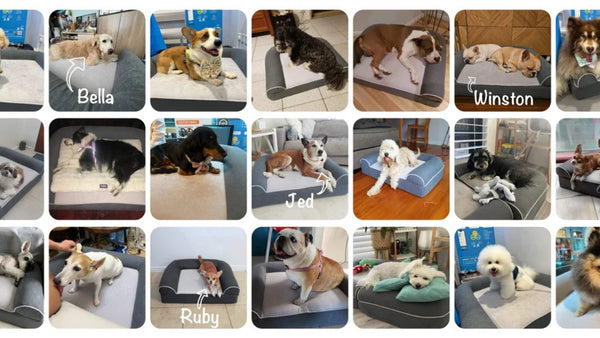
9-year-old Harley was struggling with arthritis and mobility issues. After just a couple of weeks of using the Dog Cloud Bed, she was able to use the stairs again.
Where Does Daily At-Home Therapy Fit In?
Veterinary treatment remains the foundation of arthritis management, but supportive care at home can also be part of a dog's daily routine.
For many Labrador owners, the challenge isn't understanding that their dog needs support. It's finding ways to provide that support consistently alongside work, family and everyday responsibilities. That's where Dog Cloud offers a different approach to a traditional dog bed.
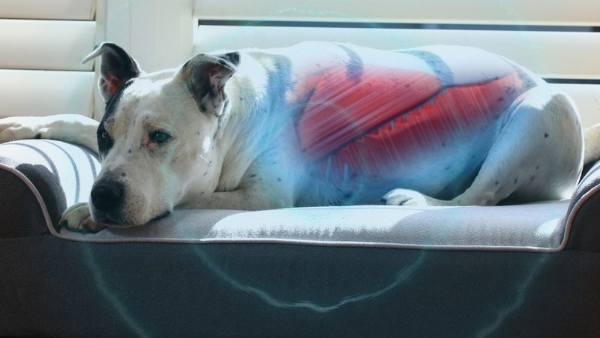
Dog Cloud combines a supportive resting surface with Cycloid Vibration Therapy (CVT), a gentle, non-percussive circular vibration technology. Rather than requiring an additional appointment or an owner-led massage session, Dog Cloud is designed to integrate supportive therapy into the time dogs already spend resting.Its CloudSense™ technology can detect when a dog is on the bed and automatically begin a configured therapy session.
For Labrador owners exploring ways to support comfort, relaxation and everyday wellbeing, this offers a convenient option to discuss with their veterinarian.
Importantly, Dog Cloud is not a cure for arthritis and should not replace veterinary diagnosis, prescribed pain management or rehabilitation. The veterinary evidence supporting established osteoarthritis treatments should not be interpreted as clinical proof that Dog Cloud treats canine arthritis.
Explore Dog Cloud's At-Home Therapy Bed

The Bottom Line
One of the things that makes Labradors so special is their enthusiasm for everyday life.
A slower walk, hesitation before jumping or difficulty getting up might seem like a small change, but these behaviours can tell you something important about how your dog is feeling. Recognising those changes early gives you the opportunity to investigate the cause and make informed decisions about their care.
With the right veterinary treatment, a healthy body condition, appropriate activity and a supportive home environment, many Labradors with arthritis can continue enjoying the things they love.
Because supporting your Labrador's mobility isn't just about how far they can walk. It's about helping them stay comfortable, engaged and part of everyday life.
Dog Cloud Customers also recieve 30 days FREE Dial a Vet calls. Speak to a Vet anytime, anywhere.
We were also voted best premium dog bed for 2026! Take a look.
Frequently Asked Questions
Can Labradors Get Arthritis When They're Young?
Yes. Young Labradors can develop osteoarthritis, particularly when they have underlying developmental conditions such as hip or elbow dysplasia, or a history of joint injury. [2, 3]
Is Arthritis Common in Older Labradors?
Osteoarthritis is common in ageing dogs, and Labradors may have additional risk factors associated with their size and predisposition to certain orthopaedic conditions. However, not every older Labrador develops symptomatic arthritis. [4, 6]
Should I Still Walk My Labrador if They Have Arthritis?
Usually, controlled low-impact exercise remains an important part of arthritis management. The appropriate duration and intensity depend on your dog's condition and should be discussed with your veterinarian. [1, 5]
Can Arthritis in Labradors Be Cured?
Osteoarthritis cannot currently be cured. However, veterinary treatment, weight management, appropriate exercise and environmental changes can help manage discomfort and maintain mobility. [1]
What's the Best Bed for a Labrador With Arthritis?
Look for a bed that offers adequate support, allows your Labrador to rest comfortably and is easy to get on and off. Additional therapeutic features may be considered as complementary support, but a bed should not replace evidence-based arthritis treatment.
References
1. Cohen, A. (2025). Osteoarthritis. Cornell University College of Veterinary Medicine, Richard P. Riney Canine Health Center. https://www.vet.cornell.edu/departments-centers-and-institutes/riney-canine-health-center/canine-health-topics/osteoarthritis
2. American College of Veterinary Surgeons. (n.d.). Canine hip dysplasia. https://www.acvs.org/small-animal/canine-hip-dysplasia/
3. American College of Veterinary Surgeons. (n.d.). Canine elbow dysplasia. https://www.acvs.org/small-animal/canine-elbow-dysplasia/
4. American College of Veterinary Surgeons. (n.d.). Osteoarthritis in dogs. https://www.acvs.org/small-animal/osteoarthritis-in-dogs/
5. Epstein, M. E. (2025). Osteoarthritis in dogs and cats. Merck Veterinary Manual. https://www.merckvetmanual.com/musculoskeletal-system/osteoarthritis-in-dogs-and-cats/osteoarthritis-in-dogs-and-cats
6. Weir, M., Llera, R., & Downing, R. (2026). Arthritis in dogs. VCA Animal Hospitals. https://vcahospitals.com/park/know-your-pet/arthritis-in-dogs.