Your Cart is Empty


Dog Cloud
October 16, 2026
Hip Dysplasia in Dogs: Early Signs, Treatment & At-Home Support
Is your dog struggling to get up after resting, avoiding the stairs or moving differently on walks? These subtle changes could be early signs of hip dysplasia, a common joint condition that can affect dogs from puppyhood through to their senior years.
Hip dysplasia in dogs occurs when the ball and socket of the hip joint don't fit together properly, creating instability that can eventually lead to pain, reduced mobility and arthritis. While hip dysplasia cannot always be prevented or reversed, early diagnosis and the right management plan can make a significant difference to a dog's comfort and quality of life..
What Is Hip Dysplasia in Dogs?
The hip is a ball-and-socket joint that allows your dog's back legs to move smoothly. In a healthy hip, the ball of the thighbone fits securely into the socket of the pelvis.
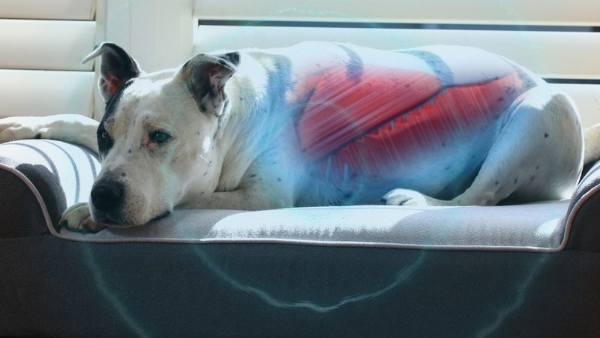
In dogs with hip dysplasia, the joint develops abnormally, allowing excessive movement between these structures. Over time, this instability can damage cartilage, cause inflammation and contribute to osteoarthritis.
According to the American College of Veterinary Surgeons (ACVS), hip dysplasia is primarily a developmental condition influenced by genetics, although factors such as rapid growth and excessive weight gain can contribute to its progression.
Although most commonly associated with larger breeds, hip dysplasia can affect dogs of any size.

In dogs with hip dysplasia, the joint develops abnormally, allowing excessive movement between the ball of the thighbone and socket of the pelvis.
7 Early Signs of Hip Dysplasia in Dogs
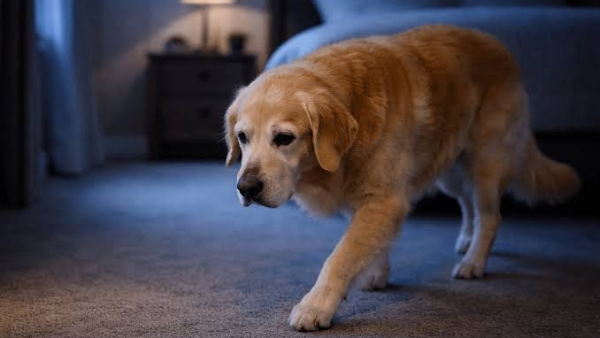
The early symptoms of canine hip dysplasia aren't always obvious. Some dogs show signs as puppies, while others may not develop noticeable discomfort until arthritis progresses later in life.
According to Cornell University College of Veterinary Medicine, common signs include:
1. Difficulty getting up: Your dog struggles to stand after sleeping or resting.
2. Bunny-hopping when running: Both back legs move together rather than alternating normally.
3. Limping or stiffness: Particularly noticeable in the hind legs.
4. Reluctance to jump or climb stairs: Activities your dog previously enjoyed become more difficult.
5. Reduced activity: Your dog tires more easily or becomes less enthusiastic about walks.
6. Swaying hips: An unusual or wobbly movement through the hindquarters.
7. Loss of hind-leg muscle: Reduced muscle mass around the thighs as your dog shifts weight towards their front legs.
These symptoms aren't exclusive to hip dysplasia. Other joint, muscle and neurological conditions can cause similar changes. If you notice persistent limping or changes in mobility, arrange a veterinary examination rather than assuming it's a normal part of ageing.
Related reading: Why Is My Dog Limping After a Walk?

Which Dog Breeds Are Most Prone to Hip Dysplasia?
Although any dog can develop hip dysplasia, certain breeds have a higher genetic predisposition.
Commonly affected breeds include:
- Labrador Retrievers
- Golden Retrievers
- German Shepherds
- Rottweilers
- Saint Bernards
- Bulldogs
Large and giant breeds are particularly susceptible, although smaller dogs and mixed breeds can also be affected. The VCA Animal Hospitals explain that genetics play a major role, while nutrition, growth rate, body weight and environmental factors can influence how the condition develops.

Can Puppies Have Hip Dysplasia?
Yes. Hip dysplasia begins during a dog's development, even if symptoms don't become apparent until adulthood.
Some puppies show signs within their first few months, including an unusual gait, difficulty rising or reluctance to exercise. Early veterinary screening is especially important for predisposed breeds because certain corrective surgical procedures are only available during specific developmental windows.
Cornell University notes that specialised screening methods, including PennHIP radiographs, can assess hip joint laxity in young dogs.If you have a large-breed puppy, maintaining a healthy growth rate and following a veterinarian-recommended nutrition plan can help reduce avoidable stress on developing joints.

Early veterinary screening is especially important for predisposed breeds.
How Is Hip Dysplasia Diagnosed in Dogs?
Veterinarians diagnose hip dysplasia using a combination of physical examination, medical history and hip X-rays. During the examination, your veterinarian may assess your dog's gait, hip movement, joint stability and signs of discomfort.
X-rays help evaluate the structure of the hip joint and identify changes associated with arthritis. Sedation or anaesthesia is generally required for accurate positioning and joint assessment.
An early diagnosis allows your veterinarian to recommend the most appropriate management or treatment options before further joint deterioration occurs.

What Is the Best Treatment for Hip Dysplasia in Dogs?
There isn't one treatment that works for every dog. The best approach depends on their age, symptoms, joint condition and overall health.
The American College of Veterinary Surgeons and Cornell University identify several management options.
1. Weight management
Maintaining a lean, healthy body weight is one of the most important ways to reduce unnecessary stress on affected joints.
2. Low-impact exercise
Regular, controlled movement can help maintain muscle strength and joint function. Depending on your dog's condition, your veterinarian may recommend shorter walks, swimming or supervised conditioning exercises.
3. Veterinary pain management
Prescription anti-inflammatory medications and other pain-relief treatments may help manage discomfort associated with hip dysplasia and secondary arthritis. These require veterinary guidance and, in some cases, ongoing monitoring.
4. Physical rehabilitation
Canine physiotherapy, hydrotherapy and targeted strengthening exercises can support mobility and muscle function.
5. Surgical treatment
Dogs with severe hip dysplasia may benefit from procedures such as total hip replacement or femoral head ostectomy. Certain younger dogs may also qualify for early corrective procedures.
Your veterinarian can help determine which options are appropriate.

The best approach to Hip Dysplasia Treatment depends on their age, symptoms, joint condition and overall health.
How to Help a Dog With Hip Dysplasia at Home
Veterinary treatment is important, but your dog's everyday environment and routine also play a role in maintaining comfort and mobility.
Here are five practical ways to support a dog with hip dysplasia at home.
Keep exercise consistent. Shorter, manageable walks may be more comfortable than occasional bursts of strenuous activity. Follow your veterinarian's exercise recommendations.
Make your home easier to navigate. Use non-slip rugs, ramps where appropriate and supportive bedding to reduce unnecessary strain when moving around.
Maintain a healthy weight. Even modest excess weight can increase the load placed on already vulnerable joints.
Prioritise comfortable rest. Dogs with joint discomfort may find it harder to settle or change sleeping positions. Providing a supportive, easily accessible resting area can make everyday life more comfortable.
Discuss complementary therapies with your vet. Massage, rehabilitation and other supportive therapies may have a place within an individual dog's management plan.

Can Vibration Therapy Support Dogs With Hip Dysplasia?
For dogs living with hip dysplasia, supporting joint comfort, muscle relaxation and everyday mobility is an important part of long-term care.
Dog Cloud uses Cycloid Vibration Therapy (CVT), a gentle circular vibration technology designed to support healthy circulation, muscle relaxation and recovery while dogs rest.
By encouraging blood flow and helping muscles relax, vibration therapy may offer complementary support for dogs experiencing muscle tension and stiffness around affected joints. This can be particularly relevant for dogs with hip dysplasia, where changes in movement and weight distribution may place additional strain on surrounding muscles.
As hip dysplasia can contribute to the development of osteoarthritis, maintaining joint health and managing discomfort early are important. While vibration therapy has not been shown to prevent arthritis or reverse existing joint damage, it may be considered as part of a broader, veterinarian-guided mobility and wellness routine.
Unlike therapies requiring regular appointments, Dog Cloud makes it easy to incorporate gentle, passive therapy into your dog's daily rest routine.
Always consult your veterinarian before introducing vibration therapy for a dog with hip dysplasia, particularly if they are experiencing significant pain or recovering from surgery.
Explore Dog Cloud's at-home vibration therapy

The Bottom Line
Hip dysplasia doesn't always begin with obvious pain. Sometimes the first signs are small changes in how your dog walks, rests, gets up or approaches everyday activities.
Recognising those changes early and working with your veterinarian can help you make informed decisions about treatment, exercise and long-term joint support.With a consistent approach to mobility, recovery and comfort, many dogs with hip dysplasia can continue enjoying an active, fulfilling life.
Dog Cloud Customers also recieve 30 days FREE Dial a Vet calls. Speak to a Vet anytime, anywhere.
We were also voted best premium dog bed for 2026! Take a look.
Frequently Asked Questions
Can a dog live a normal life with hip dysplasia?
Many dogs with hip dysplasia maintain a good quality of life with appropriate veterinary treatment, weight management, exercise modifications and supportive care. Outcomes depend on the severity of the condition.
Does hip dysplasia get worse with age?
Hip dysplasia can lead to progressive joint degeneration and osteoarthritis, meaning symptoms may worsen over time. However, early management can help maintain comfort and function.
Is walking good for dogs with hip dysplasia?
Controlled, low-impact walking is often beneficial for maintaining muscle strength and mobility. The appropriate duration and intensity depend on your dog's symptoms and veterinary recommendations.
Can hip dysplasia in dogs be cured without surgery?
Non-surgical treatments can help manage symptoms and improve quality of life, but they cannot correct the underlying abnormal hip structure. Some surgical procedures can improve joint mechanics or replace the affected joint.
At what age do dogs show signs of hip dysplasia?
Symptoms can appear in puppies as young as a few months old, although many dogs don't develop noticeable signs until adulthood or later life.
References
1. American College of Veterinary Surgeons (ACVS). Canine Hip Dysplasia. https://www.acvs.org/small-animal/canine-hip-dysplasia/
2. Cornell University College of Veterinary Medicine. Canine Hip Dysplasia (CHD). https://www.vet.cornell.edu/departments-centers-and-institutes/riney-canine-health-center/canine-health-topics/canine-hip-dysplasia-chd
3. VCA Animal Hospitals. Hip Dysplasia in Dogs. Ryan Llera, DVM; Tammy Hunter, DVM; Ernest Ward, DVM. https://vcahospitals.com/all-caring/know-your-pet/hip-dysplasia-in-dogs