Your Cart is Empty


Dog Cloud
August 19, 2026
5 Ways to Support Your Dog’s Lymphatic System Naturally
Your dog’s lymphatic system is one of the body’s most important (and often overlooked) systems. Here’s how everyday movement, hydration, grooming and massage can help support healthy lymphatic flow.
Most dog owners know that good circulation matters. But there’s another circulation system working quietly alongside the bloodstream that gets far less attention: the lymphatic system.
The lymphatic system plays an important role in maintaining fluid balance, transporting immune cells and moving excess fluid and other materials away from tissues. And there’s an interesting difference between your dog’s two circulatory systems.
The heart continuously pumps blood around the body. The lymphatic system doesn’t have an equivalent central pump. Instead, physical movement and the contraction of muscles help lymph travel through its network of vessels.That means some surprisingly simple everyday habits can help support normal lymphatic flow.

Movement is the core solution to helping move lymph through the vessels and overall body.
What Is the Lymphatic System in Dogs?
The canine lymphatic system is a network of lymph vessels, lymph nodes and organs including the spleen and thymus.
Moving through that network is lymph — a fluid containing proteins, fats and white blood cells called lymphocytes.Among its functions, the lymphatic system helps:
- Return excess fluid from tissues to the bloodstream
- Transport certain proteins and fats
- Carry immune cells around the body
- Support normal immune function
- Maintain healthy fluid balance
Unlike blood circulation, however, lymph isn’t propelled around the body by the heart. That’s one reason movement matters.
Physical activity and muscle contractions help move lymph through lymphatic vessels, making regular movement an important part of supporting normal lymphatic circulation..
1. Keep Your Dog Moving
One of the simplest ways to support your dog’s lymphatic flow is something most dogs already love to do: move.
Walking, playing and other forms of comfortable physical activity cause muscles to repeatedly contract and relax. This movement can help encourage lymph to travel through the lymphatic vessels.
You don’t necessarily need strenuous exercise. For an older dog, a comfortable walk around the block may be more appropriate than a long hike. For an active dog, play, running and longer walks might already provide plenty of movement.
The important thing is regular movement appropriate for your individual dog.If your dog is older, has mobility limitations or has an existing health condition, speak with your veterinarian about the type and amount of exercise that is appropriate for them..

Walking, playing and other forms of exercise help encourage lymph flow.
2. Keep Them Hydrated
Water is fundamental to almost every system in your dog’s body - including circulation.
Lymph itself is primarily fluid, so adequate hydration helps support the body's normal movement and transport of fluids.
Always make sure your dog has access to fresh drinking water, particularly after exercise and during warmer weather. If your dog isn't naturally enthusiastic about drinking water, you can also speak with your veterinarian about safe ways to increase their fluid intake.
Sometimes supporting complicated biological systems starts with something remarkably simple: the water bowl.

Water helps support the body and transport fluids.
3. Brush Them Regularly
Here’s one you might not expect.
Regular grooming isn't only useful for keeping your dog's coat looking good. Lymphatic vessels are located close to the surface of the skin, and gentle brushing has been suggested as one way of stimulating the superficial tissues and supporting lymph movement
We reccommend gently brushing in the direction of the heart when specifically using grooming to support lymphatic flow.
More importantly, regular grooming gives you another opportunity to become familiar with your dog's body. You'll be more likely to notice changes such as unusual lumps, swelling or tenderness — all things worth discussing with your veterinarian if they appear.
So that five-minute brushing session can be about much more than shedding.

Gentle brushing has been suggested as one way of supporting lymph movement.
Incorporate Gentle Massage
Massage is another way to introduce movement into soft tissues.
One commonly used technique is effleurage - a gentle, gliding massage stroke sometimes described as “petting with a purpose.” Unlike deep-tissue massage, lymphatic techniques generally use light pressure because many lymphatic vessels sit relatively close to the skin.
Massage can also provide another benefit most dog owners will appreciate: relaxation and connection. If you'd like to try massage at home, keep the pressure gentle and make sure your dog remains comfortable throughout.
For dogs recovering from surgery or injury, experiencing swelling, or living with a diagnosed medical condition, speak with your veterinarian or a qualified canine rehabilitation professional before introducing massage.

Make Recovery Part of Their Everyday Routine
We tend to think about recovery only after something happens. After the long walk. After the big day. When our dog starts slowing down. When they become stiff.
But supporting the body works best when healthy habits are simply part of everyday life.
Regular movement, appropriate exercise, hydration, massage and quality rest don't have to be reserved for the days when your dog appears to need them most.
They can become part of their normal routine.That philosophy is also behind Dog Cloud.
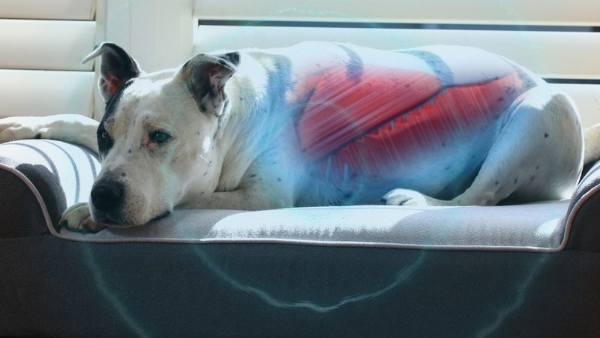
Rather than requiring another appointment or activity in your day, Dog Cloud is designed to make massage easier to incorporate into the time your dog already spends relaxing at home.

What About Canine Vibration Therapy?
Vibration is one form of mechanical stimulation used within massage and recovery applications.
Dog Cloud uses a specific form called Cycloid Vibration Therapy (CVT). CVT delivers gentle therapeutic massage through the surface your dog is resting on, allowing massage to take place without requiring an owner to manually perform it throughout the day.
For Dog Cloud owners, this means therapeutic massage can become part of a dog's normal resting routine alongside the fundamentals we've covered above - movement, hydration, grooming and appropriate hands-on care.
It shouldn't be viewed as a replacement for veterinary treatment, physiotherapy or rehabilitation when those are needed. Instead, Dog Cloud is designed to make consistent, at-home recovery support easier to incorporate alongside your dog's existing care.

Proactive support and consistency is key to supporting your dogs mobility and quality of life.
The Bottom Line + When Should You Speak to Your Vet
Supporting normal lymphatic flow is very different from treating a lymphatic disorder.
If you notice unexplained swelling, enlarged lymph nodes, persistent lethargy, pain, changes in appetite or other unusual symptoms, arrange an examination with your veterinarian rather than attempting to treat the problem at home.
Enlarged lymph nodes can occur for a number of reasons, including infection and more serious conditions, so they should be assessed professionally.
Similarly, if your dog has recently undergone surgery, is recovering from an injury or has an existing medical condition, ask your veterinarian before introducing new massage or exercise routines.
Supporting your dog's lymphatic system is another reminder that everyday routines matter. And when those routines help our dogs keep moving, resting and doing the things they love, they're all contributing toward the same thing: More good days.
Dog Cloud Customers also recieve 30 days FREE Dial a Vet calls. Speak to a Vet anytime, anywhere.
We were also voted best premium dog bed for 2026! Take a look.